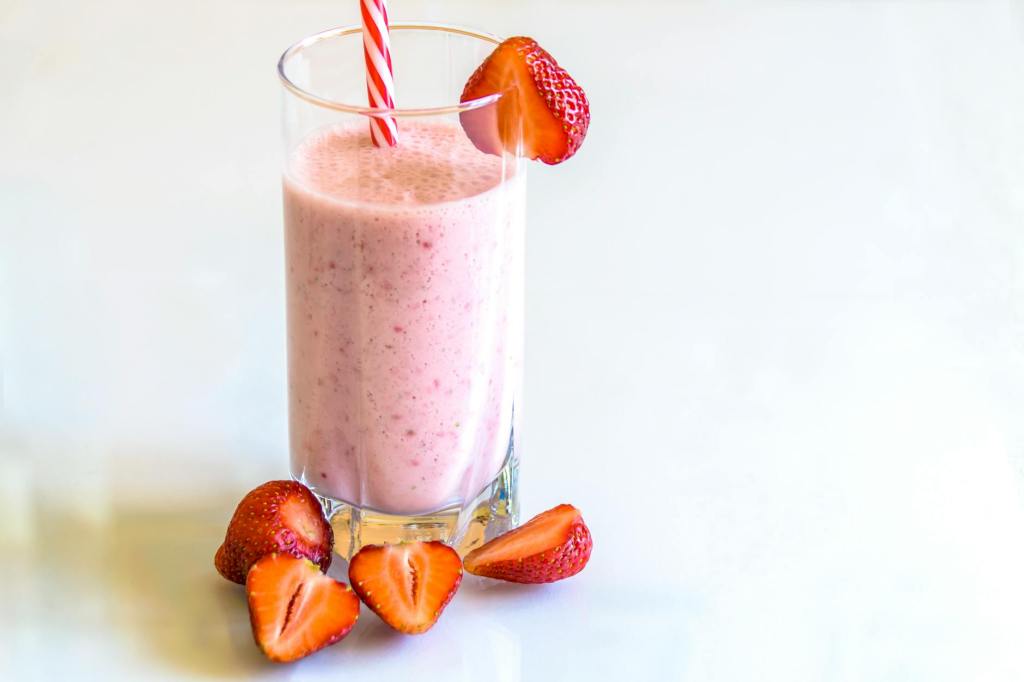
Let’s be honest: staying healthy sounds simple… until real life kicks in.
Between college classes, full-time jobs, relationships, cleaning your apartment, cooking dinner, running errands, managing mental health, and somehow maintaining a social life—being a woman in your 20s or 30s can feel like a never-ending balancing act. And when life gets busy, our health is usually the first thing to fall to the bottom of the list.
But here’s the truth every woman needs to hear:
You don’t have to sacrifice your health just because you’re busy.
And you shouldn’t.
Health is the foundation of everything—your energy, your confidence, your emotional stability, your longevity, and your ability to show up for the people you love. You can have the dream career, the perfectly organized home, and the overflowing bank account… but what good is any of that if you don’t feel well enough to enjoy your life decades from now?
I’ve witnessed firsthand how neglecting health in your younger years often catches up later. And nearly everyone I’ve met who regrets not taking care of themselves has said the same thing: “If I could go back, I’d change my habits.”
So today, I want to share the habits that help me stay healthy—physically, mentally, and emotionally—even on the busiest days.
None of these tips require perfection. They’re about realistic shifts, sustainable routines, and small choices that add up in a big way.
Let’s dive in, girlie. ✨
1. Prioritize What You Put Into Your Body
We all know the saying: “You are what you eat.”
And as cliché as it sounds… it’s absolutely true.
You can work out every single day, but if you’re filling your body with foods that drain your energy, spike your blood sugar, inflame your gut, or pack in chemicals your body doesn’t recognize—it will catch up with you.
A Realistic Approach to Eating Well
Everyone’s nutritional needs look different. Some women feel better with lower carbs, some need higher protein, some need to watch sodium or cholesterol. But overall, a healthy diet follows a few universal guidelines:
✨ Eat mostly whole foods
✨ Limit sugar where you can
✨ Prioritize fruits, veggies, whole grains, and quality proteins
✨ Stay hydrated
✨ Eat regular meals (please don’t skip breakfast!)
✨ Avoid eating right before bedtime
✨ Stop eating when you’re satisfied—not stuffed
And for many women, the biggest game changer isn’t what they eat but how prepared they are.
Meal Prepping = Your Best Friend
You do not need to create aesthetic TikTok meal prep containers to be healthy. But having some kind of plan—whether it’s full meal prep or simply writing “salmon + veggies” on a sticky note—prevents you from defaulting to fast food when you’re tired.
Here’s what helps me:
- Prepping 2–3 things for the week (protein, grain, veggie)
- Packing lunch the night before work
- Keeping quick, healthy snacks on hand (fruit, yogurt, nuts)
- Choosing meals that take less than 20 minutes when I’m busy
- Using an AI food calculator to stay mindful of macros or portions
Meal prep isn’t about restriction—it’s about supporting yourself in the future.
2. Eliminate (or Greatly Reduce) Your Stress
I know… easier said than done.
Life is stressful. Period.
But ignoring stress doesn’t make it go away—it stores in your body. And long-term stress is connected to almost every major health issue: heart disease, digestive problems, migraines, hormone imbalances, and even autoimmune conditions.
You deserve peace. And you deserve a life that doesn’t feel like one long anxiety spiral.
So… what’s actually causing your stress?
Take inventory:
- A messy home?
- A toxic workplace?
- A schedule that’s way too full?
- Overwhelm from motherhood or school?
- Financial strain?
- Health worries?
- Constantly thinking about future “what ifs”?
Sometimes stress is situational, but often it’s mental clutter—future scenarios you’re playing in your head that haven’t even happened yet.
My therapist once told me something life-changing:
“Anxiety is energy focused toward a negative future.
Turn that same energy toward positive outcomes, and it becomes excitement.”
Game. Changer.
Shift Your Mindset
Instead of waking up thinking:
“Ugh, I have to do so much today.”
Try:
“I get to experience today. I’m blessed to wake up. I’m capable. I can handle what’s on my plate.”
Practicing gratitude isn’t about ignoring challenges—it’s about grounding yourself in the present instead of drowning in anticipation.
Learn to Say “No” Without Guilt
If your schedule is running you instead of you running it… something needs to change.
You’re allowed to:
- Say no to extra commitments
- Cancel plans when you’re drained
- Choose rest over productivity
- Protect your time
- Prioritize your mental health
“No” is not negative—it’s self-respect.
Find What Grounds You
Everyone’s grounding practice looks different. For me, it’s going to church with my family. It shifts my perspective, reminds me of grace and forgiveness, and fills me with peace.
Yours might be:
- Meditation
- Prayer
- Journaling
- Therapy
- Nature walks
- A gratitude list
- Quiet coffee time
- Breathwork
Spiritual or not, grounding your mind heals your nervous system more than you realize.
Quick Stress Reset Checklist
- Change your mindset
- Practice gratitude
- Say “no” more often
- Declutter your mental & physical space
- Connect with something bigger than you
- Release bitterness
- Focus on what you can control
This is how you reduce stress at the root, not just temporarily.
3. MOVE That Body!
We all know movement matters—but let’s break it down realistically.
When women say, “I’m too tired to work out,” I totally understand. Working a full-time job, taking care of kids, or running a busy life drains your energy.
But here’s the paradox:
The less you move, the more tired you feel.
It’s literally physics.
Motion Creates Energy
“An object in motion stays in motion” wasn’t just a science lesson—it’s a health principle.
Your body is designed to move. That’s how your muscles stay strong, your heart stays healthy, your hormones stay balanced, and your mood stays stable.
And no, you don’t need to become a gym baddie (unless you want to!). Movement isn’t only about structured workouts.
Physical Activity vs. Exercise
These are not the same thing:
- Physical activity = daily movement (walking, cleaning, taking stairs)
- Exercise = intentional movement (gym, running, classes)
Both are important—but you can start with whichever is realistic for you.
Aim for 10,000 Steps
Many women assume 10k steps means a short walk. In reality, it’s roughly:
- 3 miles
- About an hour of walking
- A full day of gentle movement if you’re active
Getting steps in is HUGE for your energy, mood, and metabolism.
Here’s how I hit mine:
- Walking before or after work
- Pacing while talking on the phone
- Evening strolls with music or a podcast
- Parking farther away
- Walking during lunch
- Weekend nature walks
The goal isn’t perfection—it’s consistency.
Why Strength Training Is So Important for Women
Especially in your late 20s and early 30s, lifting weights is one of the best gifts you can give yourself.
Why?
Because:
- You build muscle much easier in your 20s
- Starting in your 30s, women naturally lose muscle each year
- Muscle protects your joints
- It boosts metabolism
- It helps prevent injury
- It keeps your body strong as you age
You don’t need to lift heavy right away. Start small. Focus on form. Do what feels good.
But build muscle now so your future self can thank you later.
4. Rest Like It’s Your Job
Repeat after me:
Hustle culture is not worth sacrificing your health.
You cannot function long-term on caffeine and five hours of sleep. If you’re exhausted, moody, foggy, bloated, or constantly craving sugar—the problem might not be your diet or workouts.
It might be your sleep.
Your body repairs itself when you rest. Your hormones balance while you rest. Your brain processes emotions while you rest.
Sleep isn’t optional—it’s medicine.
How I Get the Best Sleep Possible
Here are the rules I personally live by:
- No eating close to bedtime
- No alcohol, nicotine, or caffeine late in the day
- Move my body earlier to sleep better at night
- Keep my room cool and dark
- Keep my space clean & calming
- Use melatonin occasionally
- Turn off screens at least 30 minutes before bed
- Avoid heavy conversations or stress before sleep
Women typically need 8–9 hours, sometimes more.
Your body will tell you what it needs—listen to it.
Final Thoughts: Healthy Living Is a Daily Choice, Not a Perfect One
Being healthy doesn’t mean:
- Eating perfectly
- Working out every day
- Never stressing
- Sleeping 10 hours nightly
- Having a Pinterest-perfect lifestyle
It means showing up for yourself consistently—even imperfectly.
You won’t always feel motivated. You won’t always have time. You won’t always get it right.
But every time you choose a walk over the couch, water over soda, gratitude over fear, sleep over scrolling, or boundaries over burnout—you are building a healthier, stronger, happier version of yourself.
Your 50- and 60-year-old future self is going to look back and THANK YOU.
You deserve to feel good.
You deserve to live long.
You deserve to enjoy the life you’re working so hard to build.
And you don’t have to do it perfectly—just persistently.
 The Renewal Mindset
Leave a comment